Communicate with Voice, Not Busy Hands
![]() The AHA endorses the |
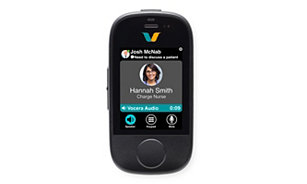
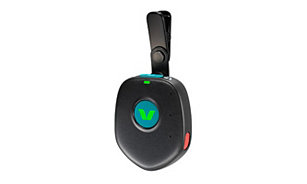
The Vocera Voice Communication solution enables communication at critical hospital speed, driving better outcomes for the patient and caregiver. Contacting other team members is as simple as saying the name, function, or group name of the people you want to reach. Vocera Voice Communication enables hands-free, voice-controlled wireless voice communication using the wearable Vocera B3000 Communication Badge throughout a wireless networked building or campus, and one-touch or voice-controlled communication on smartphones beyond the network via the Vocera Connect Application. |
Vocera Voice includes:
System Software
The Vocera software platform features a multi-layer architecture that recognizes more than 100 voice commands to enable users to instantly connect with other hospital staff members, groups and functions, and integrates with existing patient care applications.
Communication Badge
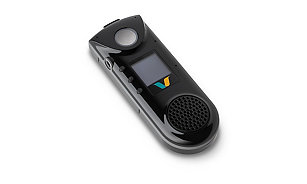
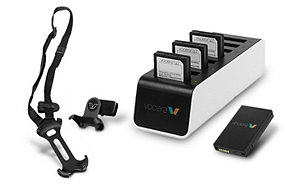
The Vocera Communication Badge is a wearable hands-free, voice-controlled device that provides caregivers with the ultimate in easy-to-use and instantaneous communication between staff and patients as well as alerting functions for improved patient care.
Connect Applications
This software solution enables smartphones, including iPhone®, Android™, and Cisco® devices to communicate through the Vocera System.
Voice Integration
The Vocera Messaging Interface (VMI) provides a two-way interface linking once-disparate systems with any Vocera mobile communication device to improve response times and safety, enhance staff and patient satisfaction, streamline work and patient flows, and reduce overhead paging.
Staff Assignment
Vocera Staff Assignment is a web-based application designed for Unit Secretaries to quickly make staff assignments. The Unit Secretary utilizes a computer and desk phone or the Vocera Communication Badge to view staff availability and instantly communicate with staff using voice or text messaging.
“These kinds of technologies allow us to be in one room and still monitor what's going on with a patient in another room. We communicate hands-free, which is important—it's less intrusive.”Chris Samuelson
Manager of Clinical Information Progress
West HealthCare Center
O'Fallon, Missouri